Toy stores vs card shops
A practical comparison of toy stores and card shops by audience, yearly spending pattern, and pre-visit checks.
Published 2026-10-30
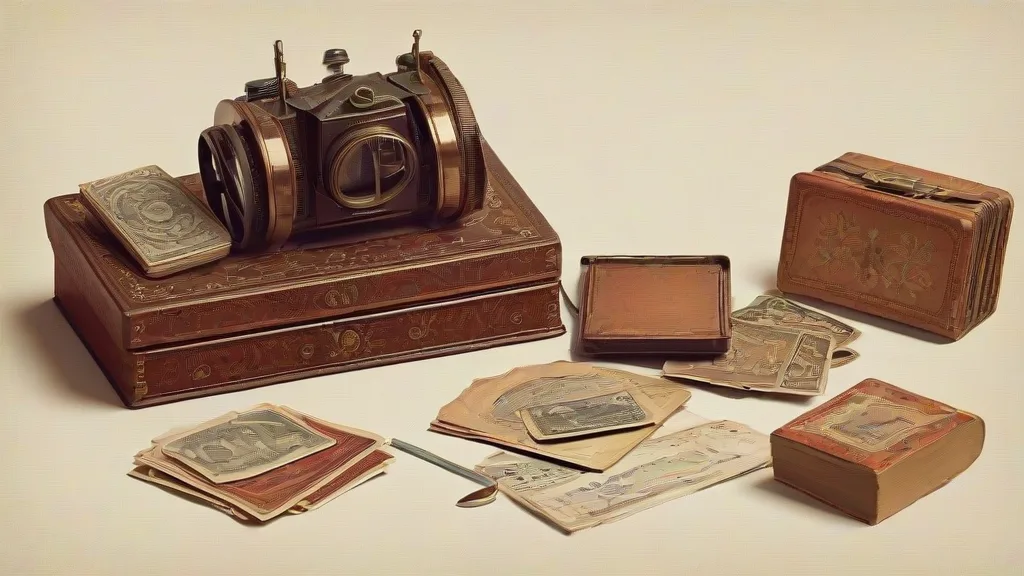
Toy stores and card shops can sit on the same street and still serve different buying habits. The supplied census counts put 973 toy shops and 632 card shops in the data set. Those counts describe how many shops exist in each category. They do not rank one category above the other or prove that one is better stocked, cheaper, or more helpful.
The useful comparison is fit: who the shop is built for, how spending tends to accumulate over a year, and what to verify before you make it your regular stop.
Who each shop serves
Toy stores generally serve households buying durable playthings, gifts, games, and items for a broad age range. The purchase is often planned around a birthday, holiday, or specific play need. Card shops generally serve collectors and players who want sealed product, single cards, supplies, and a place to trade or play. Some shops overlap: a toy store may carry cards, and a card shop may stock games and puzzles. Check the inventory rather than assuming from the sign. A toy store is usually the easier stop for a mixed-age gift. A card shop is usually the better stop for format-specific questions, condition checks, and event schedules.
Annual cost pattern
No supplied price data exists here, so do not treat either category as cheaper by default. The cost pattern differs. Toy spending is often lumpy: a few larger purchases tied to gifts or durable items, with fewer repeat visits. Card spending is often recurring: packs, boxes, sleeves, binders, singles, and event entries can add up through small frequent buys. For a yearly budget, list planned purchases first. Set a monthly cap for card shops and a gift or toy fund for toy stores. Track receipts for three months, then adjust. Ask each shop about preorders, holds, event fees, and return rules on sealed versus opened items. Those policies affect the real yearly cost more than the category label.
What to check before choosing
Check stock depth and restock timing. Ask whether the shop buys, sells, or trades used items, and how it grades condition. Confirm return policies for sealed products and opened goods. For card shops, ask about event schedules, play space, and whether singles are priced individually. For toy stores, check age labeling, display access, and staff knowledge about games and play value. Look at convenience, opening hours, and whether the shop can order an item it does not stock. Use the census counts as context only: 973 toy shops and 632 card shops indicates more toy shops in the data set, not a quality ranking. Choose by your buying pattern and the checks that matter to you.
Are toy stores cheaper than card shops over a year?
There is no universal answer without price data. Toy purchases may be less frequent and more durable; card purchases can be recurring. Compare your own list and track receipts.
Do card shops only sell cards?
No. Many sell supplies and host play, but check the individual shop. Inventory varies.
Should the census counts decide where I shop?
No. The counts show 973 toy shops and 632 card shops in the data set. They describe counts, not quality or fit.