How to store cards without wrecking them
Cards get wrecked by pressure, moisture, heat, and light, and each of those has a simple fix.
Published 2026-10-30
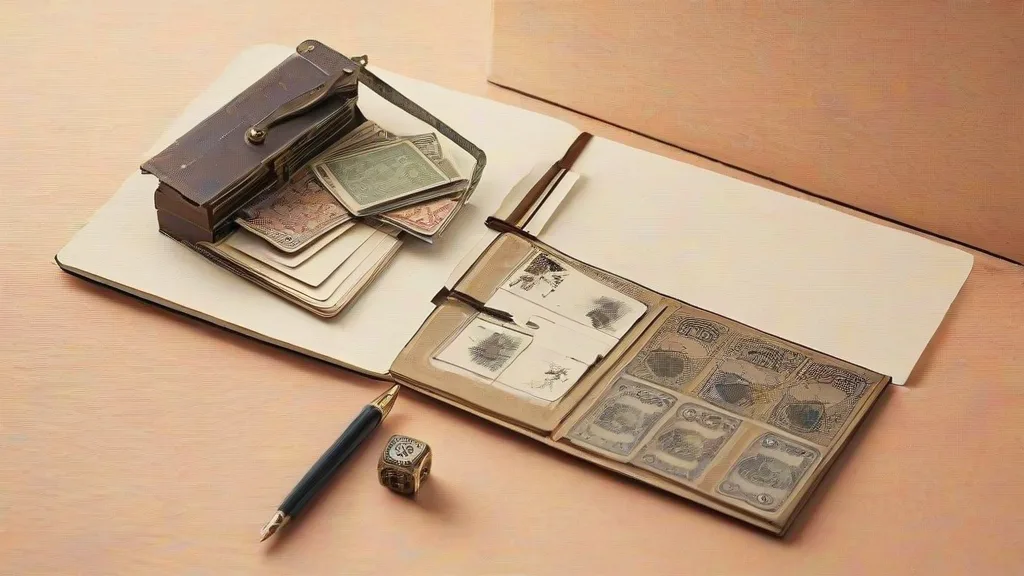
Cards fail in ordinary ways: a bent corner from a pocket, a soft edge from a rubber band, a faded front from a windowsill, a wavy surface from a damp basement. None of that has to happen. Storage is mostly about removing pressure, moisture, heat, and light, then leaving the cards alone. These steps work for a small personal collection and for a shoebox you inherited.
Start with a soft sleeve
Every card that leaves a box should go into a soft sleeve first. Look for sleeves labelled acid-free and PVC-free, since cheap plastic can stick to glossy finishes over time. Slide the card in gently and stop if it catches; forcing it into a tight sleeve is how corners peel.
Sleeve cards before you sort them into piles. A stack of bare cards on a table is where most edge wear happens, because every card above slides against the one below.
Add a rigid holder for cards you care about
A soft sleeve protects against fingerprints and scratches, not bending. For anything valuable or frequently handled, add a top loader, a card saver, or a recessed magnetic case. Match the holder to the card's thickness: a thick card forced into a standard top loader will bow, and a bowed card does not flatten back reliably.
If you tape a top loader shut, tape the outside only and fold one end of the tape back into a tab. Never put tape on the sleeve itself, and never slide a blade near the card to open a holder.
Use binders carefully
Binders suit a working collection you look through. Choose pages labelled acid-free and PVC-free, and do not overfill them: a page packed until it bulges presses on the cards at the spine. Store binders upright like books, not stacked flat and not leaning, and keep them out of direct sun.
Control heat, light, and moisture
Pick a spot with steady temperature and low humidity, such as a closet shelf or an interior room. Attics, garages, and basements swing in both. Keep cards off the floor and away from exterior walls. A silica packet in a storage box helps with minor humidity; swap it when the indicator shows it is spent. Fading from sunlight is permanent, so keep cards away from windows entirely.
Avoid pressure and loose storage
Skip rubber bands and elastic bands completely. Do not stack heavy boxes on top of cards, and do not leave them loose in a drawer where they can slide and catch on the edge. Use cardboard storage boxes sized for your holders, stand the rows upright, and let the box hold the cards rather than a stack of other boxes.
Do I need both a sleeve and a rigid holder?
For cards you handle or display, yes. The sleeve stops scratches; the holder stops bending. For bulk commons, a sleeve and a box is usually enough.
Can cards stay in a binder long-term?
Yes, if the pages are acid-free and the binder is stored upright in a dry room. Check occasionally for waviness or pages pressing on the cards.
Are cardboard storage boxes safe?
Yes, if they are clean, dry, and sized so cards stand upright instead of slumping. Avoid boxes that previously held food or chemicals.
What about graded slabs?
A slab protects the card but is not airtight. Store slabs upright, out of sunlight, and avoid stacking heavy slabs against the face of a card.