Hobby shops vs craft stores
Hobby shops and craft stores overlap on supplies but differ on what you're buying: a place to play, or materials for a project.
Published 2026-10-30
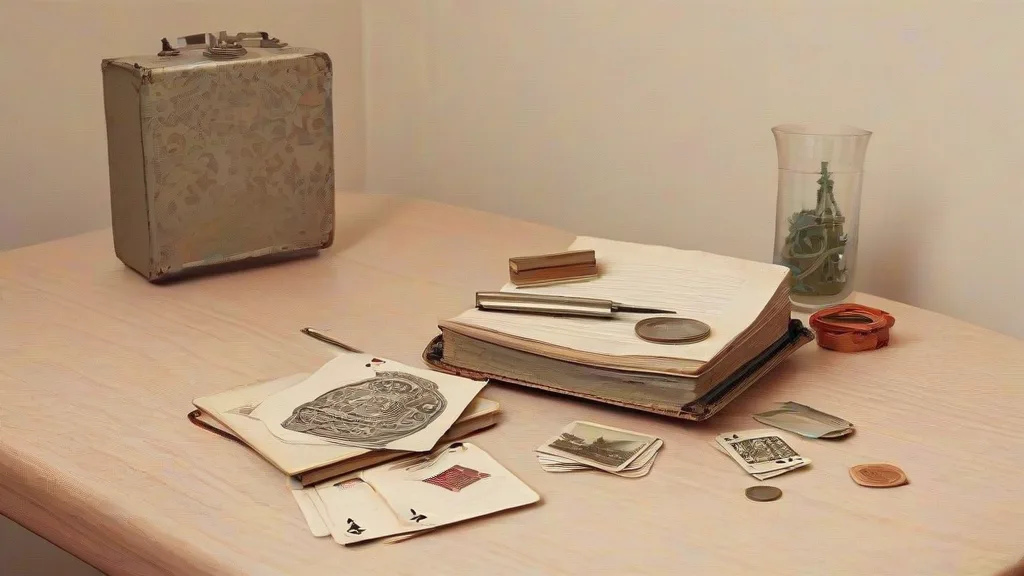
A hobby shop and a craft store can stock the same shelf of paint and still serve different buyers. The useful question isn't which one is better. It's which one matches how you actually spend money and time, and what you should check before you commit to either.
The counts we have list 870 hobby shops and no craft stores. Read that as a gap in the census, not a verdict. Zero in a count means the number isn't in this data, not that craft stores don't exist. Use the 870 as scale context for how hobby retail is distributed, and nothing more.
Who each one is for
A hobby shop is built around play. You go for cards, miniatures, board games, organized events, singles in a case or a binder, and staff who can answer a rules question because they play the game. It suits you if part of what you want is other people: a table, a league, a trade, a scheduled night.
A craft store is built around making. You go for fabric, yarn, paper, floral, framing, seasonal decor and the tools that cut and join them. It suits you if the output is an object — a gift, a costume, a home project, a school assignment — and you buy materials rather than opponents. Nobody there is going to test your deck.
What a year of buying looks like
Neither type has one price, so estimate from your own habits instead of a shelf tag. Write down what you expect to buy in a year and multiply by a realistic basket size.
Hobby spending tends to track how often you show up. Entry fees, singles, sleeves, storage boxes, snacks at the counter and travel to events all repeat. If you play weekly, the annual total is mostly frequency. If you play twice a year, it's mostly the occasional big purchase.
Craft spending tends to track projects. Materials for one project, then tools you keep, then leftovers you store for the next one. The first year usually runs higher because tools are one-time. After that, cost follows how many projects you finish.
A practical check: keep receipts for three months in whichever shop you already use, then multiply. That number beats any guess, including mine.
What to check before choosing
Ask whether the shop runs scheduled events or just open tables. Ask how singles are priced — individually or by the binder. Ask the return policy on opened product and on cut fabric, because both are often final. Ask whether classes or tool use are included or separate.
Check the drive. A shop forty minutes away changes the real cost of a weekly habit more than most purchases do. Check hours against when you actually have free time.
Finally, ask the staff one specific question about your project or your deck. The answer tells you whether they stock the category or know it.
Is a hobby shop more expensive than a craft store?
There's no blanket answer, and this data contains no prices. Compare your own three-month receipt total from each, since hobby costs scale with how often you play and craft costs scale with how many projects you finish.
Can I buy hobby supplies at a craft store?
Often yes for generic items like paint, brushes, glue, foam and storage. Check before relying on it for event-specific or game-specific products, which a craft store may not carry.
The census shows zero craft stores. Does that mean there are none?
No. A zero in this count means the number isn't in the supplied data. It's not evidence about how many craft stores exist or how good they are.