How to display a collection without ruining it
A practical routine for showing toys and trading cards while limiting light, moisture, dust, and handling damage.
Published 2026-10-30
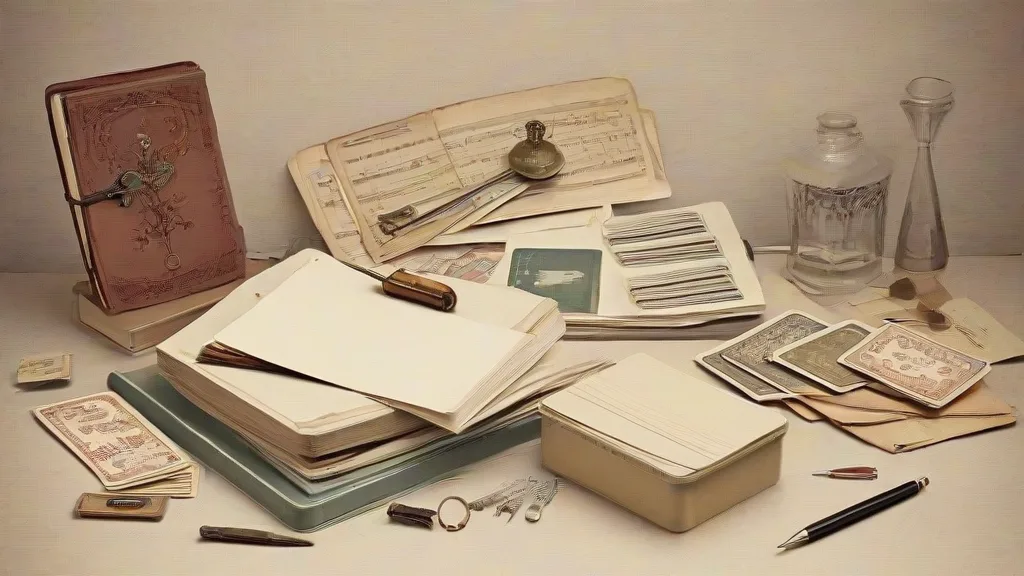
Displaying a collection is a trade between seeing it and protecting it. The goal is not a sealed vault. It is a setup that reduces the main causes of damage: light, moisture, dust, heat, and repeated handling. Start by deciding which items are safe to show and which should stay stored. Then build the display around those limits.
Choose the display spot first
Pick a location away from direct sun, radiators, heating vents, and damp walls. A room that stays comfortable for people is usually a better start than a garage or attic. Check the spot at different times of day. If sunlight lands on the shelf, move the shelf or add a blind. For cards and boxed toys, fading and warping are the risks you are managing.
Support the item, not just the shelf
Give each item its own stable place. Use stands sized to the object, and avoid leaning heavy boxes against thin cards. For trading cards, put each card in a sleeve, then a rigid holder, before it goes on display. Acid-free backboards and boxes help paper items. For loose toys, use risers or clear stands so figures are not resting on fragile parts. Leave space between items so dusting does not require picking everything up.
Control light and climate
Keep displays out of direct sun. If a case sits near a window, use a blind or UV-filtering film or acrylic where appropriate. Avoid sealing a damp item in a case; let it dry in a ventilated area first. In humid rooms, a small hygrometer can help you track conditions, and silica gel packs can be used in enclosed storage, not as a permanent fix for a wet room. Keep heat sources away from plastic toys, which can soften or warp.
Handle less, clean gently
Wash and dry hands before handling cards or painted toys. Hold cards by edges. Keep food and drink away from the display. Dust with a soft brush or microfiber cloth; do not use household cleaners on printed paper or painted plastic. Clean shelves before putting items back. If an item is fragile, display a duplicate or photo and store the original.
Rotate and record
Change the display on a schedule so light exposure is shared and the shelf stays interesting. Keep a simple list of what is displayed, where it came from, and any condition notes. Take photos before moving items. Store the rest in acid-free boxes, labeled and off the floor. A closed cabinet with a door cuts dust and handling.
Can I display trading cards in sunlight?
No. Direct sun can fade inks and heat cardboard. Use a shaded spot, a blind, or UV-filtering glazing, and rotate cards.
Should I use tape or glue to hold items?
No. Use stands, clips, or sleeves. Tape and glue can stain or tear surfaces.
How often should I dust a display?
Check monthly and dust when you see buildup. Use a soft brush or microfiber cloth, and clean the shelf before returning items.